Charting Cumulative Milestone Thresholds That Unlock Progressive Access Privileges Across Worldwide Gaming Portals
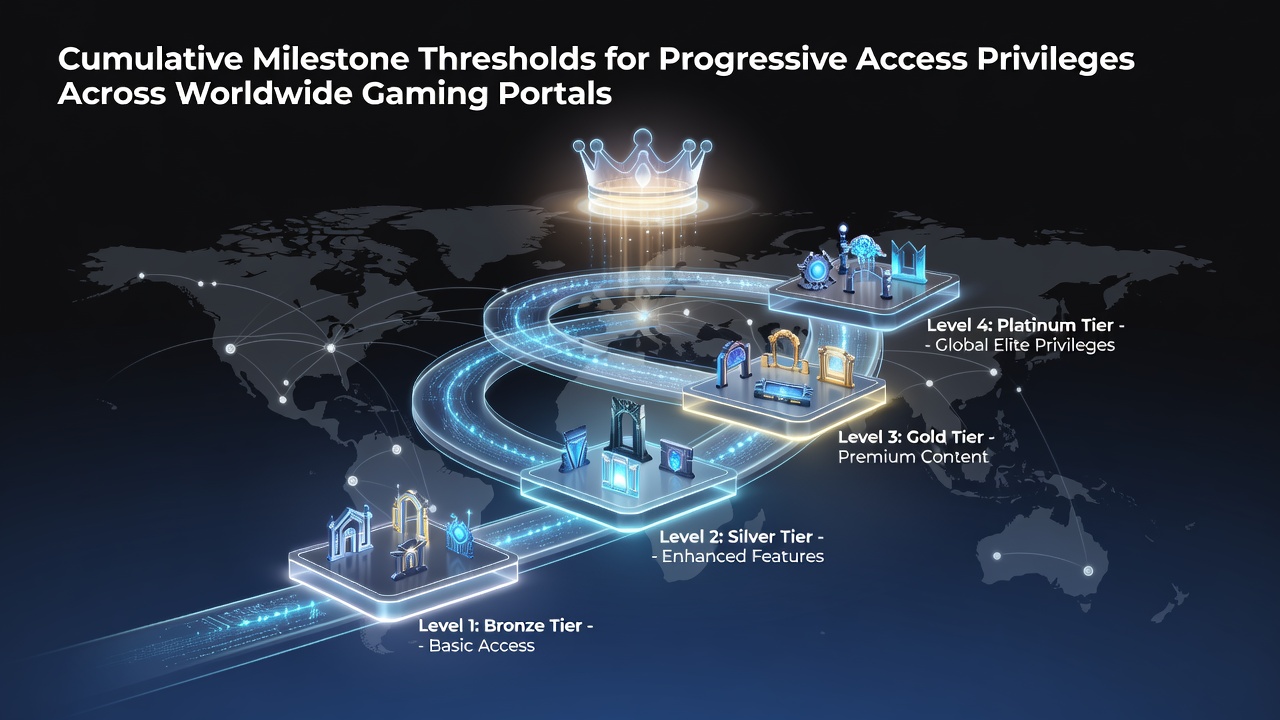
Global gaming portals have developed structured systems that track cumulative player activity through milestone thresholds, and these thresholds determine when users gain access to higher privilege levels. Data from industry reports shows that such frameworks operate on points accumulated from deposits, wagers, and session lengths, with each tier requiring specific totals before new features become available.
Operators in multiple regions maintain these layers to organize player progression, and the approach differs by jurisdiction because regulatory requirements shape how milestones are calculated and disclosed. In the United States, state-level oversight from bodies like the Nevada Gaming Control Board requires clear documentation of threshold criteria, whereas platforms licensed elsewhere follow frameworks established by their local authorities.
How Threshold Systems Function in Practice
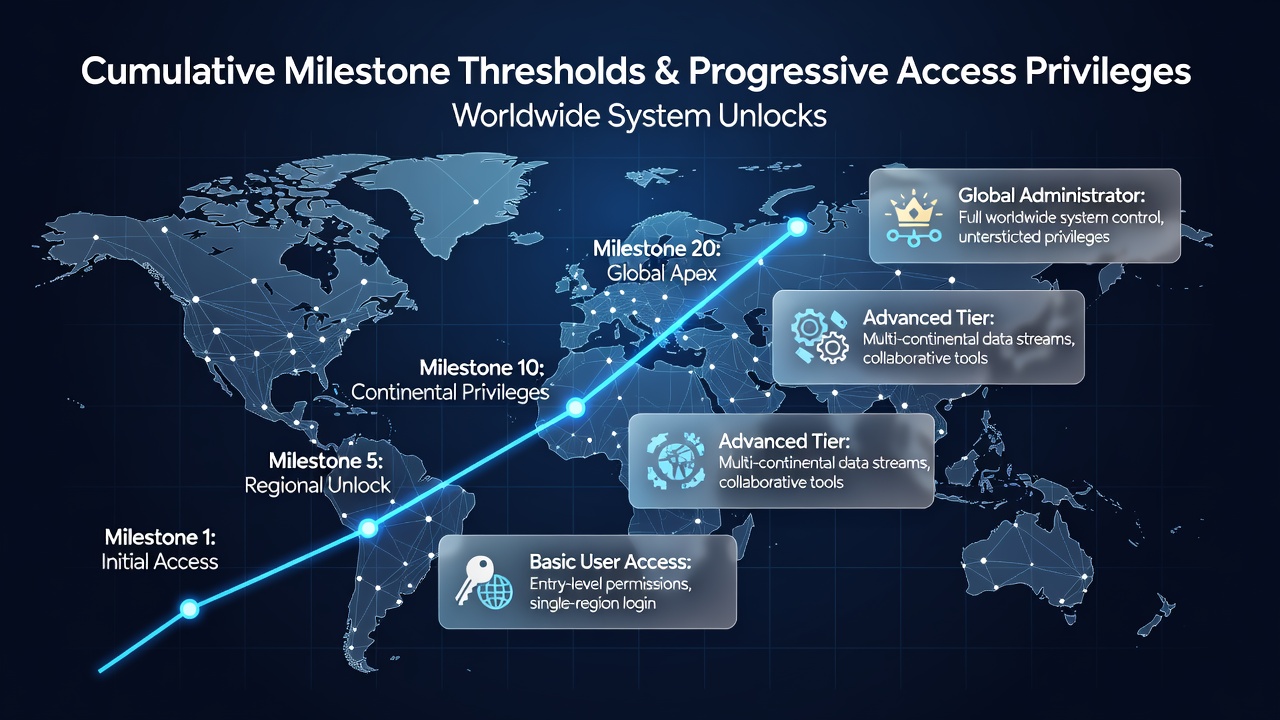
Each portal assigns point values to player actions, and the totals build toward defined benchmarks that unlock successive access levels. A player might reach an initial milestone after 500 points earned through consistent wagers, at which stage basic loyalty features activate, while subsequent thresholds at 2,000 and 5,000 points grant entry to premium support channels and exclusive event invitations. These cumulative counts reset on annual cycles in many systems, yet some retain lifetime tallies for permanent status recognition.
Research from the American Gaming Association indicates that operators update threshold values periodically based on aggregate player data collected through 2025 and into the first half of 2026, and adjustments often reflect shifts in average engagement rates across different game categories. Portals integrate these metrics into user dashboards so participants can view remaining points needed for the next tier without external calculation.
Regional Differences in Milestone Design
European portals licensed under the Malta Gaming Authority structure their thresholds around wager volume and deposit frequency, with many requiring combined activity across multiple game types before advancing. Asian markets, including those regulated in Singapore and Macau, emphasize session duration alongside monetary contributions, resulting in distinct point formulas that prioritize time spent on the platform. Australian operators follow guidelines from the Australian Communications and Media Authority, which mandate transparent disclosure of how milestones convert into access privileges.
One study released by a European research consortium in early 2026 examined 47 major portals and found that 68 percent employ at least four distinct tiers, while 22 percent maintain six or more layers before maximum privileges unlock. The analysis highlighted that cumulative tracking reduces the need for repeated qualification periods, allowing long-term participants to retain elevated status across calendar years.
Integration With Platform Features
Once thresholds are crossed, portals activate corresponding access rights that range from priority customer service queues to customized game recommendations and higher withdrawal limits. These privileges accumulate rather than replace earlier benefits, so a player who advances through multiple milestones retains all prior features while gaining new ones. Technical implementations rely on backend databases that log activity in real time and trigger automatic tier upgrades when totals match the required criteria.
Observers note that July 2026 saw several portals introduce mobile-optimized milestone trackers, and these updates allowed users to monitor progress through push notifications rather than logging into desktop interfaces. The change aligned with broader platform enhancements that incorporated API connections between different gaming venues, enabling some operators to recognize activity across partnered sites when calculating cumulative totals.
Data Patterns Observed Through Mid-2026
Figures compiled by independent analytics firms reveal that average time to reach the second milestone decreased by 14 percent between 2024 and 2026 across sampled platforms, and this shift correlates with increased point awards for live dealer sessions. Higher tiers continue to require substantially larger cumulative volumes, with the uppermost access levels often demanding activity equivalent to several thousand dollars in wagers per month over sustained periods.
Portals in Canada and parts of Latin America have adopted hybrid models that blend monetary and non-monetary milestones, such as completing tutorial sequences or participating in community events, and these additions expand the pathways available for progression. Regulatory updates in several jurisdictions now require annual audits of threshold fairness, ensuring that published criteria match the actual point calculations used by the systems.
Conclusion
Cumulative milestone frameworks continue to evolve as gaming portals refine their methods for tracking activity and granting tiered access, and the variations across regions reflect both regulatory environments and player behavior patterns observed through 2026. These systems provide structured progression routes that operators document publicly, allowing participants to understand requirements before engaging with the platforms. Continued monitoring by industry groups and regulatory bodies supports transparency around how thresholds translate into specific privileges worldwide.