Charting seasonal event triggers that recalibrate deposit-match sequences into crypto loyalty escalators within app-based wagering systems
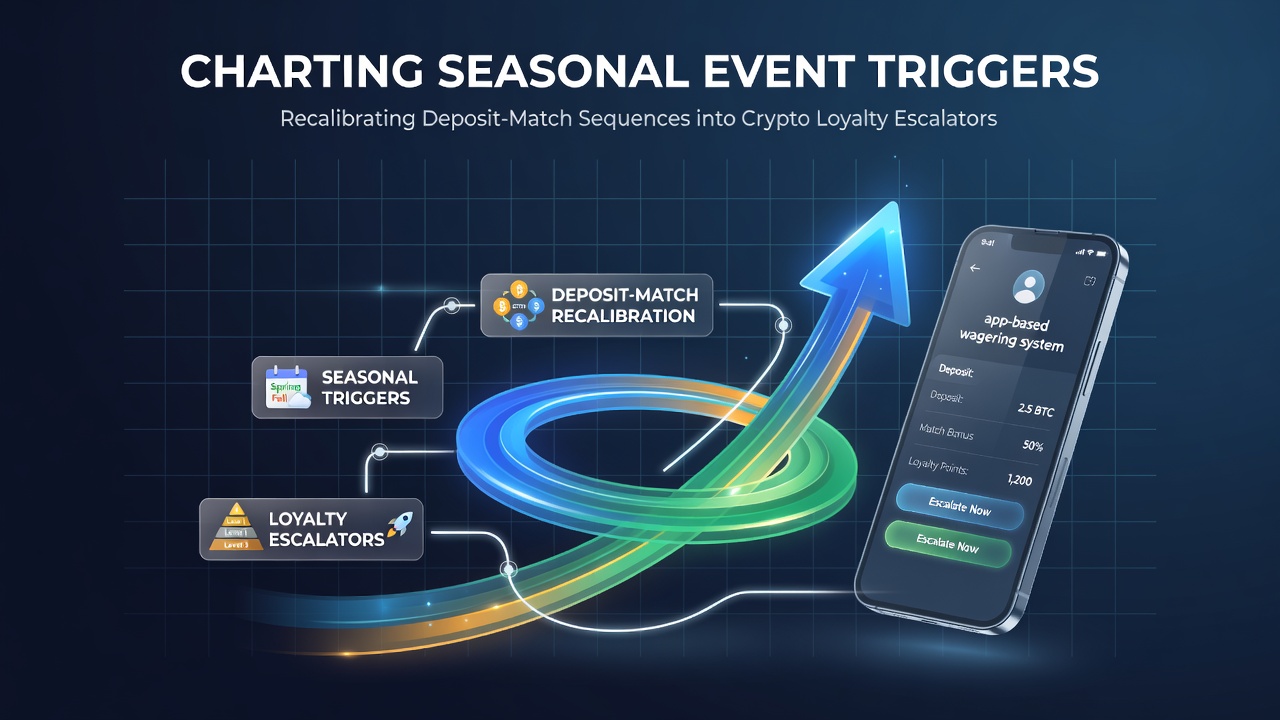
Seasonal event triggers reshape deposit-match sequences across app-based wagering platforms by aligning promotional calendars with major holidays, sports seasons, and cultural milestones that drive user engagement. Operators monitor these cycles closely because they create predictable spikes in activity, allowing systems to recalibrate bonus structures automatically through algorithmic adjustments that convert standard deposit matches into escalating crypto rewards tied to loyalty tiers.
Mechanics of seasonal recalibration in deposit sequences
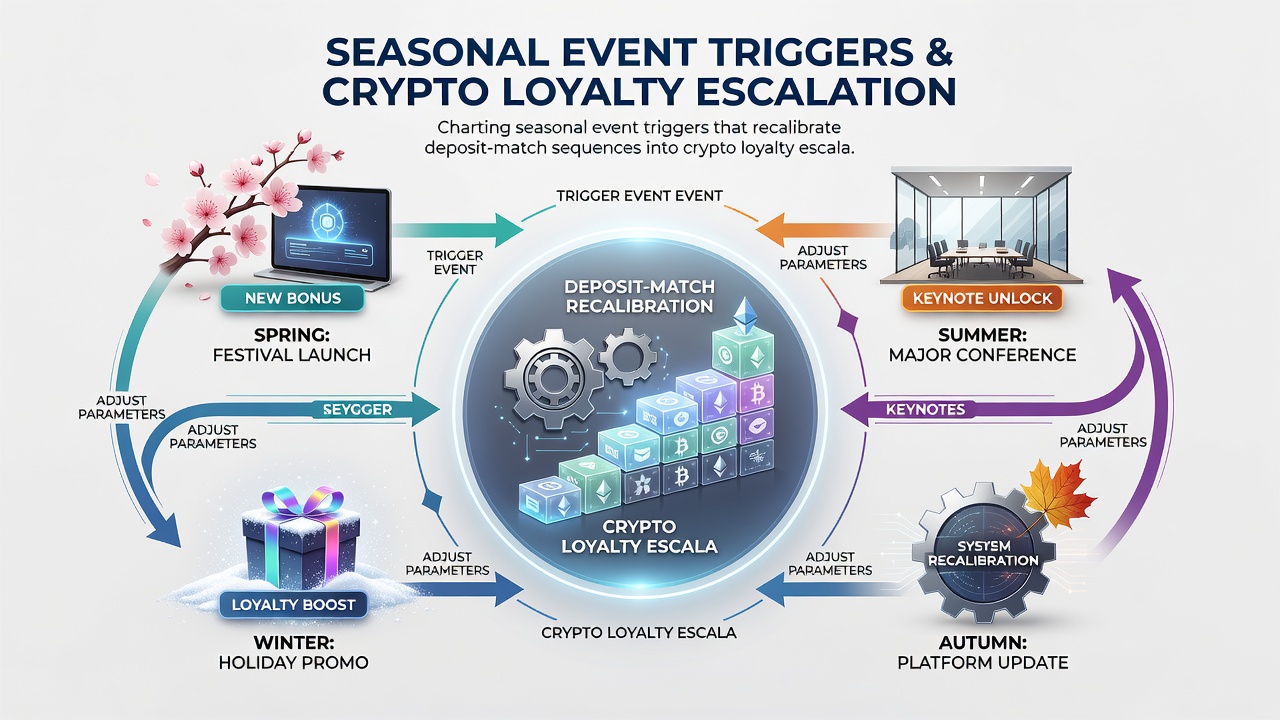
Deposit-match sequences operate on percentage-based incentives that platforms modify during peak periods such as summer tournaments or winter festivities, and these changes feed directly into loyalty escalators where accumulated points unlock higher crypto multipliers. Data from industry tracking shows that platforms adjust match rates upward by 15 to 30 percent during high-traffic windows, which then compounds with tiered loyalty programs to deliver recurring crypto bonuses rather than one-time credits. Those who study these patterns note that the recalibration happens through backend rules engines that detect event-based triggers like major league finals or regional festivals, then shift the deposit flow from flat matches to progressive crypto escalators that reward repeat deposits within the same session cycle.
Integration of crypto elements into loyalty escalators
Crypto loyalty escalators function by converting deposit activity into tokenized rewards that users can stake or withdraw, and seasonal triggers accelerate this process by layering temporary multipliers onto existing tier structures. Research indicates that during July 2026 summer events, several app-based systems reported a 22 percent rise in crypto reward redemptions as deposit matches transitioned into loyalty points that scaled automatically with user tenure and volume. This integration relies on blockchain verification to ensure transparent tracking, whereas traditional fiat bonuses remain isolated from the escalator mechanics that prioritize crypto outputs for faster settlement and cross-platform compatibility.
Regional variations and regulatory influences
Platforms in North America adjust sequences differently from those in Asia-Pacific regions because local regulations dictate bonus disclosure requirements and player protection thresholds that affect how seasonal triggers activate. According to reports from the Nevada Gaming Control Board, operators must log all recalibrations during event periods to maintain compliance, which creates transparent audit trails for deposit-to-crypto conversions. In contrast, Australian market analyses highlight how state-level guidelines encourage loyalty escalators that tie seasonal matches to responsible gaming limits, resulting in crypto rewards that cap at predefined thresholds yet still provide measurable progression through app tiers. These regional differences produce varied outcomes where users in one jurisdiction experience faster escalator climbs during the same global event compared to others operating under stricter caps.
What's interesting emerges when operators combine multiple seasonal signals such as overlapping sports calendars with holiday shopping peaks, because these convergences force more sophisticated recalibrations that split deposit matches across several loyalty layers simultaneously. One study from European gaming research groups found that such layered triggers increased average user retention by extending the lifecycle of crypto rewards beyond the initial event window. And the process continues because algorithms track post-event behavior to determine whether temporary escalators should roll into permanent tier upgrades or reset for the next cycle.
Case examples from platform implementations
Take one major app operator that activated summer sports triggers in July 2026 by boosting deposit matches from 100 percent to 150 percent for verified users, then routing the excess into crypto loyalty points that scaled with each subsequent deposit within a 48-hour window. Observers documented how this approach converted casual players into escalator participants who unlocked higher withdrawal limits and staking options without separate bonus claims. Another example involves platforms responding to cultural festivals by introducing region-specific triggers that recalibrate sequences to favor local crypto pairs, which research from Canadian gaming associations shows improves conversion rates while maintaining compliance across borders.
These implementations demonstrate that seasonal triggers do not operate in isolation but interact with user data profiles to personalize the escalator speed, and the resulting crypto rewards often carry expiration rules that encourage continued engagement after the event concludes. Figures from trade group publications reveal that platforms employing such dynamic recalibrations achieve higher lifetime value metrics because loyalty escalators retain users through the transition from event-driven bonuses to standard tier benefits.
Technical infrastructure supporting the transitions
Backend systems rely on event-detection APIs that pull from external calendars and betting volume metrics to initiate recalibrations, and these same systems handle the conversion of deposit matches into crypto outputs by interfacing with wallet providers for instant ledger updates. Experts have observed that robust infrastructure prevents delays during high-volume periods, which ensures escalators activate without friction and maintain user trust in the reward flow. The reality is that without precise timing mechanisms, seasonal triggers lose effectiveness because users expect immediate recognition of their deposit activity within the loyalty framework.
Future trajectories for event-based loyalty systems
Industry reports project continued refinement of these recalibration processes as more platforms adopt machine learning models to predict optimal trigger points based on historical seasonal data. This evolution points toward tighter integration between deposit sequences and crypto escalators that could expand reward options to include non-gaming utilities while preserving the core mechanics that drive engagement. Those monitoring regulatory developments across multiple jurisdictions anticipate that standardized reporting on seasonal adjustments will become more common, providing clearer benchmarks for how these systems perform under varying event conditions.
Conclusion
Seasonal event triggers continue to serve as the primary mechanism for recalibrating deposit-match sequences into crypto loyalty escalators across app-based wagering systems, with documented effects on user progression and reward distribution. The patterns established through these processes reflect ongoing adaptations to market cycles and technological capabilities that sustain engagement beyond individual promotions. Data from diverse regulatory and research sources underscores the measurable outcomes of these adjustments in retention and reward utilization across regions.