Exploring Bonus Code Lifecycles in Crypto-Driven Mobile Loyalty Ecosystems
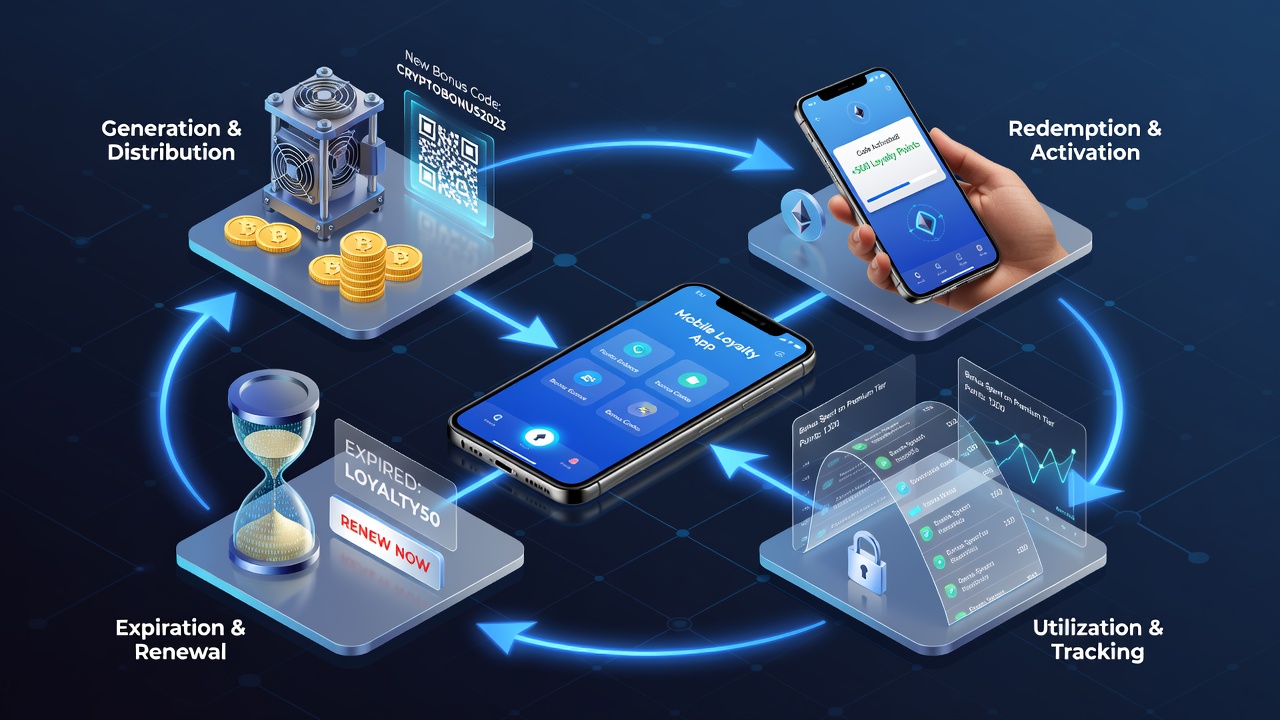
Bonus codes in crypto-driven mobile loyalty ecosystems follow structured lifecycles that begin with algorithmic generation and extend through activation, redemption, and eventual expiration or conversion into tiered rewards. Operators design these sequences to align player activity with digital asset transactions, creating measurable pathways from initial engagement to sustained participation across global platforms.
Generation and Initial Distribution Mechanisms
Systems create bonus codes through automated protocols that incorporate cryptographic elements such as wallet addresses and transaction hashes, ensuring each code links directly to verifiable on-chain activity. Data from industry reports shows these codes often originate in batches sized according to projected user acquisition targets, with parameters set for geographic restrictions, device compatibility, and minimum deposit thresholds in cryptocurrencies like Bitcoin or stablecoins. Researchers at institutions such as the University of Nevada's International Gaming Institute have documented how these generation processes integrate real-time market volatility metrics to adjust code values dynamically.
Distribution occurs primarily through mobile push notifications, in-app banners, and partnered affiliate networks, where codes reach users already holding compatible digital wallets. This phase emphasizes precision targeting, as platforms segment audiences based on prior transaction histories and engagement patterns recorded within the ecosystem.
Activation, Redemption, and Integration Points
Once distributed, bonus codes enter an activation window that typically spans 24 to 72 hours, during which users must complete verification steps including two-factor authentication tied to their mobile device and crypto wallet linkage. Redemption follows immediately upon successful validation, converting the code into playable credits or loyalty points denominated in the platform's native token. Observers note that seamless integration with blockchain ledgers allows instant settlement, reducing latency compared to traditional fiat systems.
Multiple redemption paths exist within a single lifecycle, enabling users to apply codes toward free spins, deposit matches, or direct transfers into loyalty multipliers. Studies indicate that platforms employing smart contract triggers achieve higher completion rates because the code self-executes upon meeting predefined conditions such as wager volume or session duration.
Mobile Ecosystem Dynamics and Loyalty Layering
Mobile applications serve as the primary interface where bonus code lifecycles intersect with broader loyalty frameworks. These apps track cumulative activity across sessions, automatically escalating users through tiers once specific thresholds are met. Codes issued at lower tiers frequently carry shorter validity periods, while higher-tier equivalents extend further and include compounding benefits such as increased cashback percentages paid in cryptocurrency.
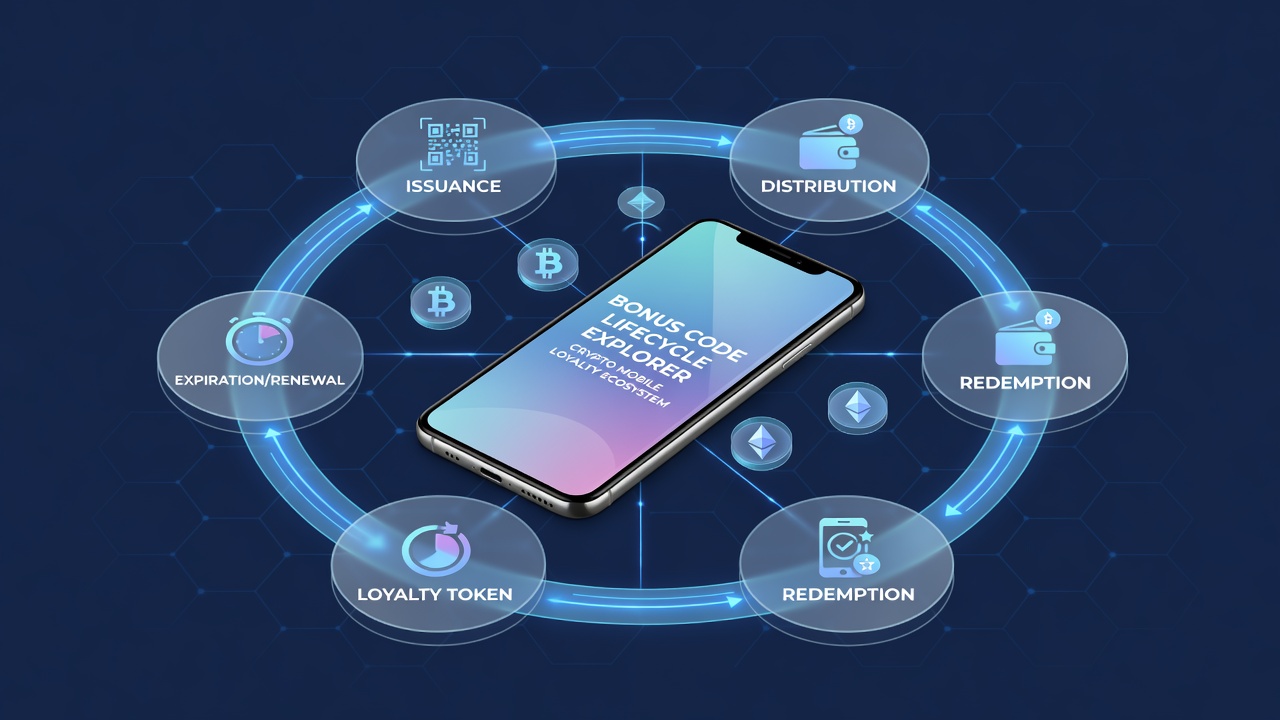
Figures from regulatory filings in jurisdictions like Nevada reveal steady growth in mobile crypto transaction volumes through mid-2026, with platforms reporting enhanced retention when codes automatically feed into loyalty dashboards. This layering transforms one-time incentives into recurring multipliers, as redeemed amounts contribute to tier advancement metrics monitored continuously by backend algorithms.
Expiration Protocols and Renewal Pathways
Expiration represents the terminal stage for most bonus codes, governed by timestamped rules embedded during generation. Unredeemed codes deactivate automatically, returning allocated funds to operator reserves or reallocating them toward new campaigns. Yet renewal options surface for active users who meet engagement criteria, converting expired value into equivalent loyalty points rather than outright loss.
Platforms manage these endpoints through notification sequences sent 48 hours prior to expiry, prompting immediate action. Data compiled by the European Gaming and Betting Association indicates that structured expiration combined with renewal incentives maintains consistent user return rates across crypto-enabled applications.
Adjustments Observed in June 2026 Data Sets
Analytics released around June 2026 highlight refinements in lifecycle management, including shortened activation windows for high-value codes and expanded mobile-only distribution channels. These shifts coincide with increased regulatory scrutiny on crypto transaction transparency in regions including Australia and parts of North America. Platforms responded by embedding additional compliance checks within code redemption flows, ensuring alignment with updated reporting requirements from bodies such as state gaming control boards.
What's interesting is how these modifications affect downstream loyalty accumulation, with codes now more frequently designed to bridge multiple tiers in a single redemption event. This approach streamlines progression while preserving the cryptographic traceability that underpins user trust in digital ecosystems.
Conclusion
Bonus code lifecycles within crypto-driven mobile loyalty ecosystems operate as interconnected sequences shaped by generation rules, redemption mechanics, tier integration, and expiration protocols. Data continues to demonstrate their role in sustaining platform activity, particularly as mobile interfaces evolve to handle complex on-chain interactions. Observers tracking developments through 2026 note ongoing adaptations that maintain operational efficiency while meeting emerging regulatory standards across varied jurisdictions.