Inside the Algorithm: How Player Behavior Data Shapes Customized Free Spin Allocations and Welcome Packages Worldwide
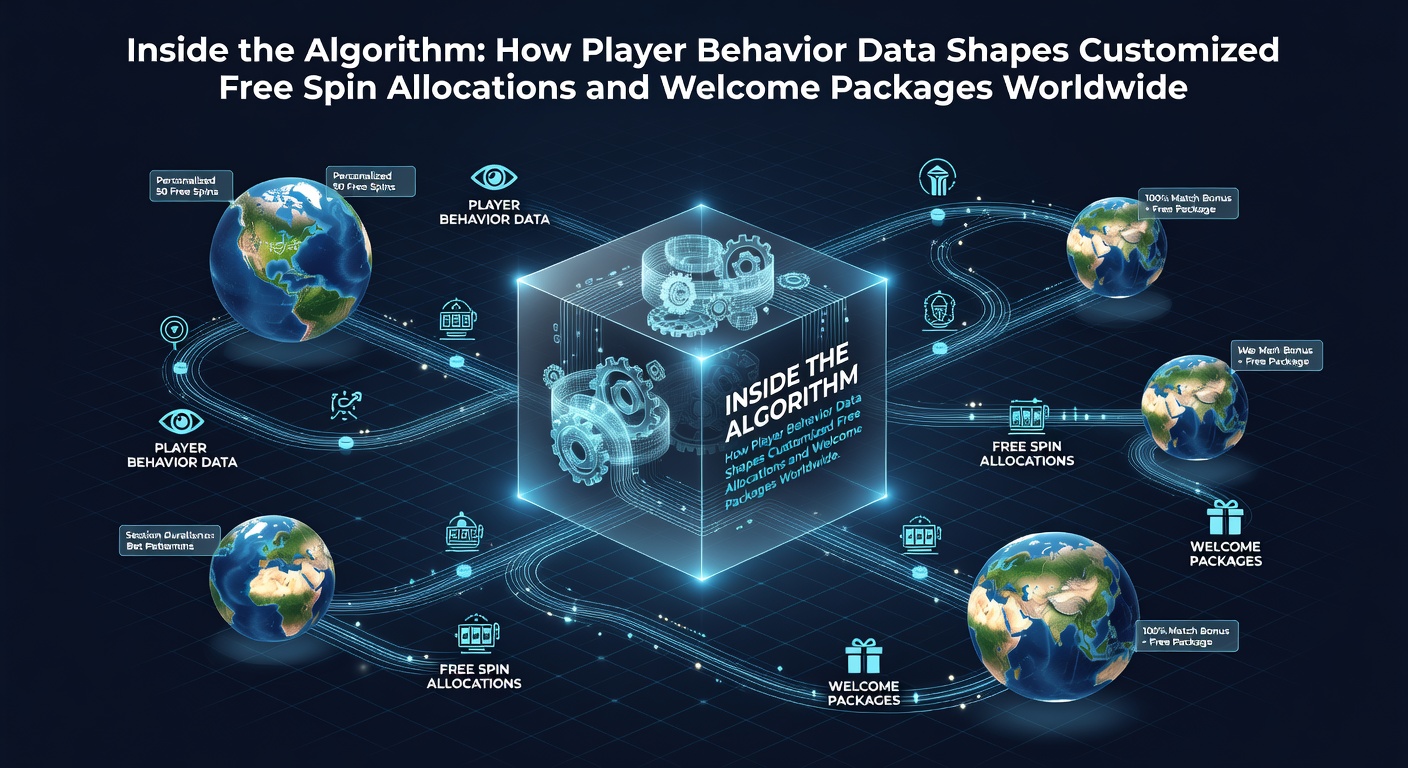
Online gaming platforms collect extensive player behavior data that directly influences how free spin allocations and welcome packages get distributed across different regions. Systems track metrics such as session duration, game preferences, deposit patterns, and response rates to previous offers, then feed those inputs into algorithms designed to optimize retention and acquisition. Research from industry reports shows these processes operate continuously, adjusting offers in real time based on accumulated signals.
Data Inputs That Feed Personalization Engines
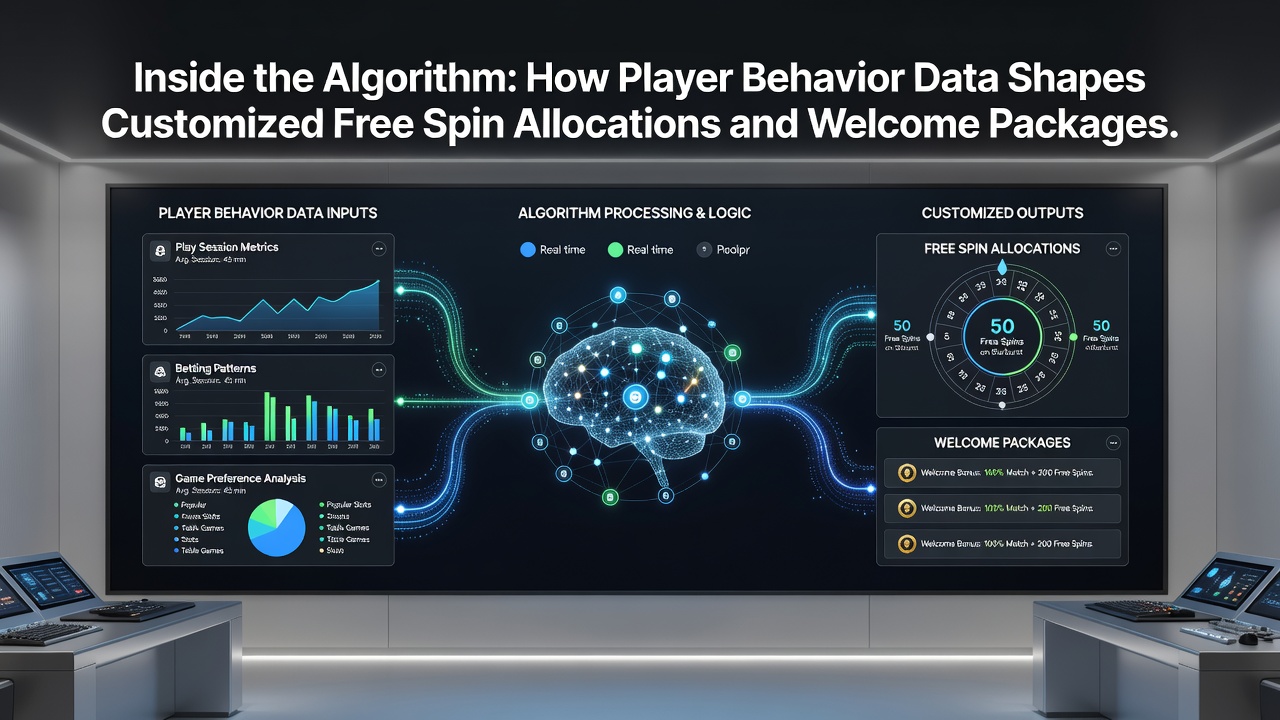
Platforms gather information from multiple touchpoints including registration details, gameplay logs, payment histories, and device usage patterns. Analysts at various operators note that variables like average bet size per spin, frequency of bonus activations, and time spent on specific titles help categorize users into segments. These segments determine the scale and type of incentives offered, with higher engagement often correlating to more tailored free spin bundles.
Geographic factors also enter the equation. Operators serving markets in North America, Europe, and Asia Pacific apply region-specific filters that account for local regulations and currency behaviors, while still relying on the same core behavioral datasets. According to findings published by the University of Nevada's gaming research division, cross-border platforms refine their models using aggregated data from millions of sessions to predict which welcome structures yield the strongest initial activity.
Algorithmic Allocation of Free Spins
Once data enters the system, machine learning models evaluate probability scores for each player and generate customized free spin quantities. A user who demonstrates steady play on video slots might receive allocations weighted toward those titles, whereas someone favoring table games could see offers shifted accordingly. The process avoids static templates by recalibrating after every completed session.
Operators in regulated jurisdictions must maintain audit trails for these decisions. Data from the Nevada Gaming Control Board indicates that licensed entities document how behavioral inputs translate into bonus parameters, ensuring compliance while still allowing dynamic adjustments. Similar requirements appear in other licensing frameworks, creating a baseline for transparency even as algorithms grow more sophisticated.
Welcome Package Customization Across Markets
Welcome packages combine deposit matches with free spin components, yet the ratios and conditions vary sharply depending on observed player profiles. Systems flag new registrants who previously engaged with competitor sites through device fingerprinting and adjust the initial offer stack to improve conversion likelihood. Observers note that these modifications occur within seconds of account creation.
In June 2026, several platforms updated their models to incorporate emerging signals such as cryptocurrency transaction velocity and multi-device switching rates. These additions expanded the feature set available for segmentation, allowing more granular welcome structures in markets where digital asset usage has grown. Reports from the European Gaming and Betting Association highlight parallel developments among operators licensed in Malta and other EU hubs.
Regional Adaptations and Regulatory Context
North American operators often emphasize deposit-match depth in early packages, while Asian-facing platforms lean toward extended free spin sequences tied to specific game libraries. The underlying data pipelines remain consistent, yet output parameters receive local calibration to align with player expectations and legal constraints. Canadian provincial regulators, for instance, require clear disclosure of how behavioral data influences promotional eligibility.
Academic studies from institutions including the University of Macau's gaming research center have examined how these customizations affect long-term play patterns. Their analyses reveal correlations between initial free spin volume and subsequent deposit consistency, though results differ by demographic cohort and game category.
Future Developments in Behavioral Modeling
Continued refinement of real-time analytics promises further personalization of both free spins and welcome incentives. Platforms test new variables such as in-game decision speed and social feature interaction to enhance prediction accuracy. Industry associations track these experiments to establish best practices that balance commercial goals with responsible gaming safeguards.
Conclusion
Player behavior data now serves as the primary driver behind customized free spin allocations and welcome packages on a global scale. Systems process thousands of signals per user to produce offers that align with demonstrated preferences, while regulatory frameworks in multiple jurisdictions ensure accountability for those decisions. As modeling techniques advance through 2026 and beyond, the relationship between observed activity and promotional structure will likely grow even more precise across digital gaming environments.