Navigating Referral Chains That Convert One-Time Sign-Up Incentives Into Recurring Crypto Loyalty Multipliers Across Global Digital Venues
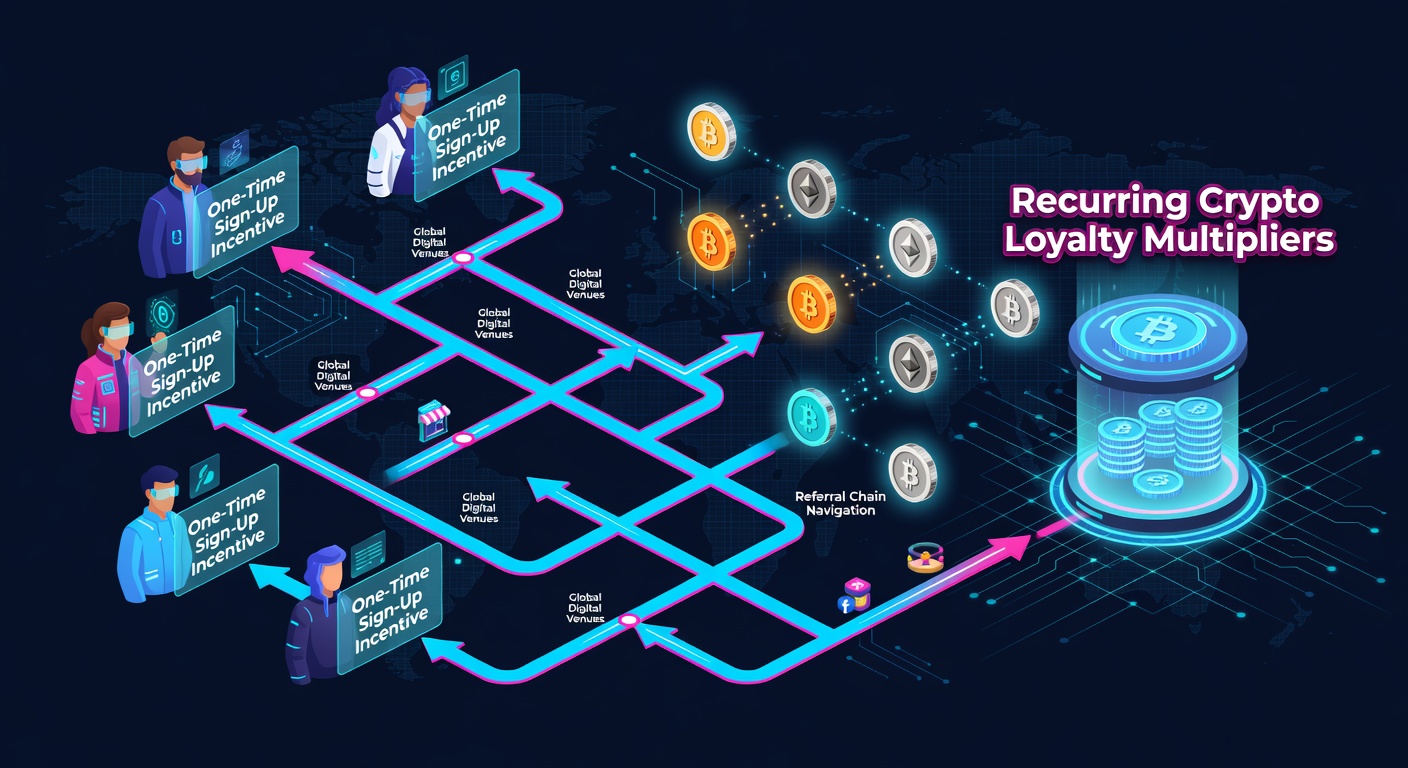
Referral chains in digital gaming environments operate through structured sequences where initial sign-up incentives expand into sustained reward systems powered by cryptocurrency transactions, and these mechanisms link new user acquisitions directly to tiered loyalty frameworks that multiply benefits over time across platforms operating in multiple jurisdictions.
How Referral Structures Function in Crypto-Enabled Venues
Platforms establish referral programs that reward existing participants for bringing in new users, and each successful referral triggers the release of one-time incentives such as matched deposits or bonus credits that convert into crypto assets held in user wallets. Data from industry tracking shows these incentives then feed into loyalty multipliers when referred users maintain activity levels that unlock progressive tiers, whereas the original referrer receives additional credits scaled by the volume of ongoing transactions generated through the chain.
Observers note that the process relies on unique referral codes embedded in user accounts, and these codes track the flow of incentives from sign-up through repeated play sessions. In June 2026, platform analytics indicated that referral-driven user bases accounted for substantial portions of new registrations on crypto-focused sites, with multipliers applied to loyalty points calculated in real time based on deposit frequency and game participation metrics.
Conversion Mechanisms from One-Time Bonuses to Recurring Multipliers
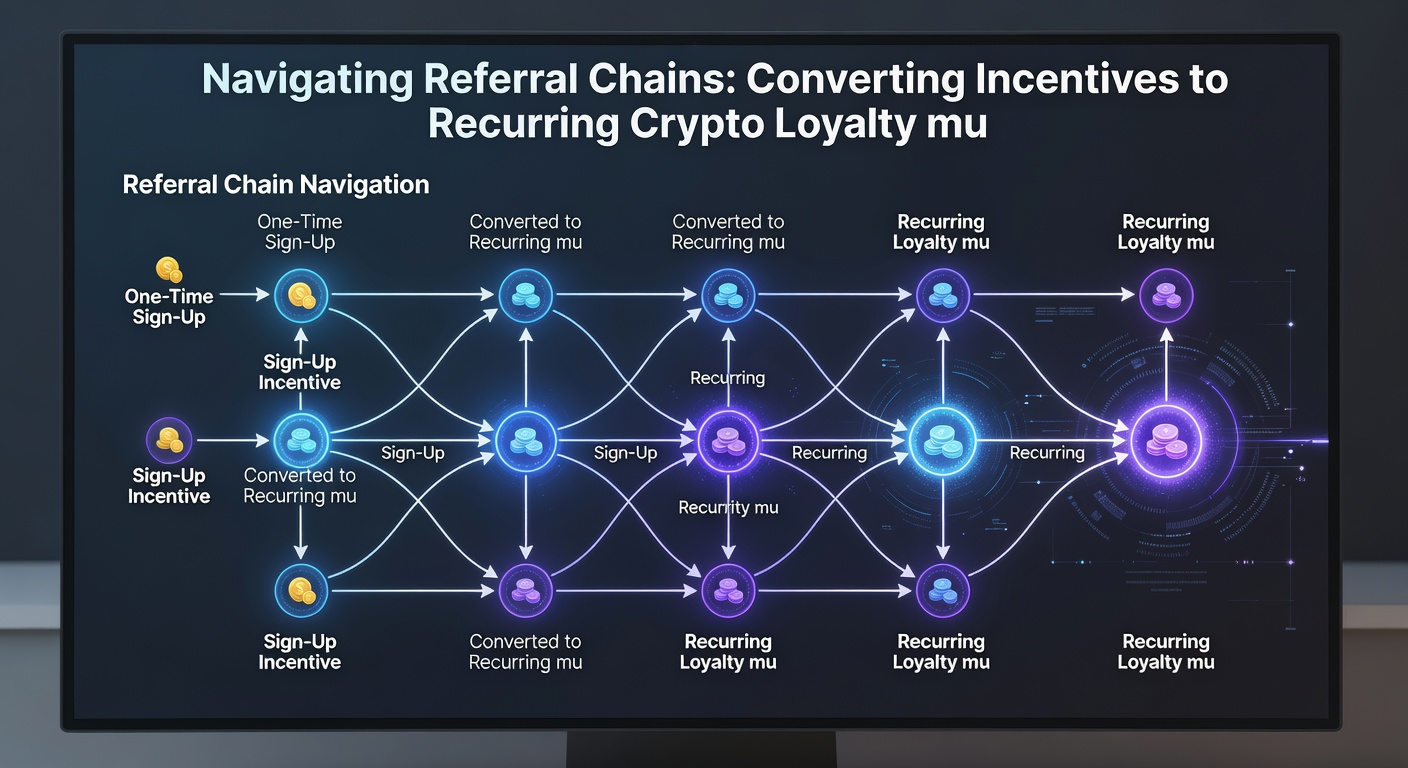
One-time sign-up offers begin as fixed-value crypto deposits or free spin allocations, yet conversion occurs when users meet threshold requirements such as minimum wager amounts completed within specified periods. Researchers have documented that once thresholds are cleared, the initial incentives transition into recurring multipliers that increase loyalty point accrual rates by factors ranging from 1.5x to 5x depending on the platform's tier structure.
Those who've examined system logs find that crypto wallets serve as the central repository where converted rewards accumulate, and subsequent referrals extend the chain by applying similar multipliers to secondary users introduced through the network. This creates layered reward flows where each level builds upon the activity of the prior one without resetting the original incentive value.
Integration Across International Digital Platforms
Global venues incorporate these chains differently based on local regulatory environments, and operators in regions with established digital gaming licenses integrate crypto multipliers through partnerships with blockchain providers that ensure transaction transparency. According to the American Gaming Association, referral programs in North American markets emphasize compliance features that verify user eligibility before multiplier activation, while similar systems in Asia-Pacific operations focus on rapid conversion speeds to maintain engagement across high-volume user groups.
European platforms, by contrast, align referral chains with data protection standards that require explicit consent for tracking referral activity, and this approach has led to documented increases in user retention rates when multipliers apply automatically to verified accounts. Industry reports from the European Gaming and Betting Association reveal that such integrations support cross-border user movements where loyalty points earned in one jurisdiction transfer to affiliated venues through standardized crypto protocols.
Technical Pathways Supporting Multiplier Accumulation
Blockchain ledgers record each step in the referral chain, and smart contracts automate the distribution of multipliers once predefined conditions are met by participating users. Those monitoring transaction volumes note that recurring benefits scale according to cumulative referral depth, with deeper chains yielding higher multiplier coefficients applied to loyalty point balances held in platform-native tokens.
Platforms deploy API connections that synchronize sign-up data with loyalty databases, and this synchronization ensures one-time incentives do not expire before conversion opportunities arise. Figures from mid-2026 platform audits demonstrate that chains extending beyond three referral levels produced average multiplier gains exceeding initial bonus values by substantial margins when measured across active user cohorts.
Regional Variations in Chain Implementation
Operators in Australia apply referral multipliers within frameworks established by state gaming authorities, and these rules require clear disclosure of how one-time incentives evolve into ongoing rewards. Canadian digital venues have adopted similar patterns where crypto loyalty tiers activate following verified referral completions, with multipliers calculated on net gaming revenue contributed by the referred network.
What's notable is the consistency across these regions in using cryptographic verification to prevent duplicate claims, while the underlying mechanics remain adaptable to local currency pairings that stabilize multiplier values against market fluctuations in digital assets.
Conclusion
Referral chains continue to link initial sign-up incentives with recurring crypto loyalty multipliers through verifiable tracking systems deployed across global digital venues, and these structures maintain operational consistency even as regulatory landscapes evolve. Industry data from June 2026 underscores the role of automated conversion processes in sustaining long-term user engagement without reliance on repeated one-time promotions alone.