Tracing Reward Pathways from Entry Incentives to Sustained Tier Benefits in Virtual Play Networks
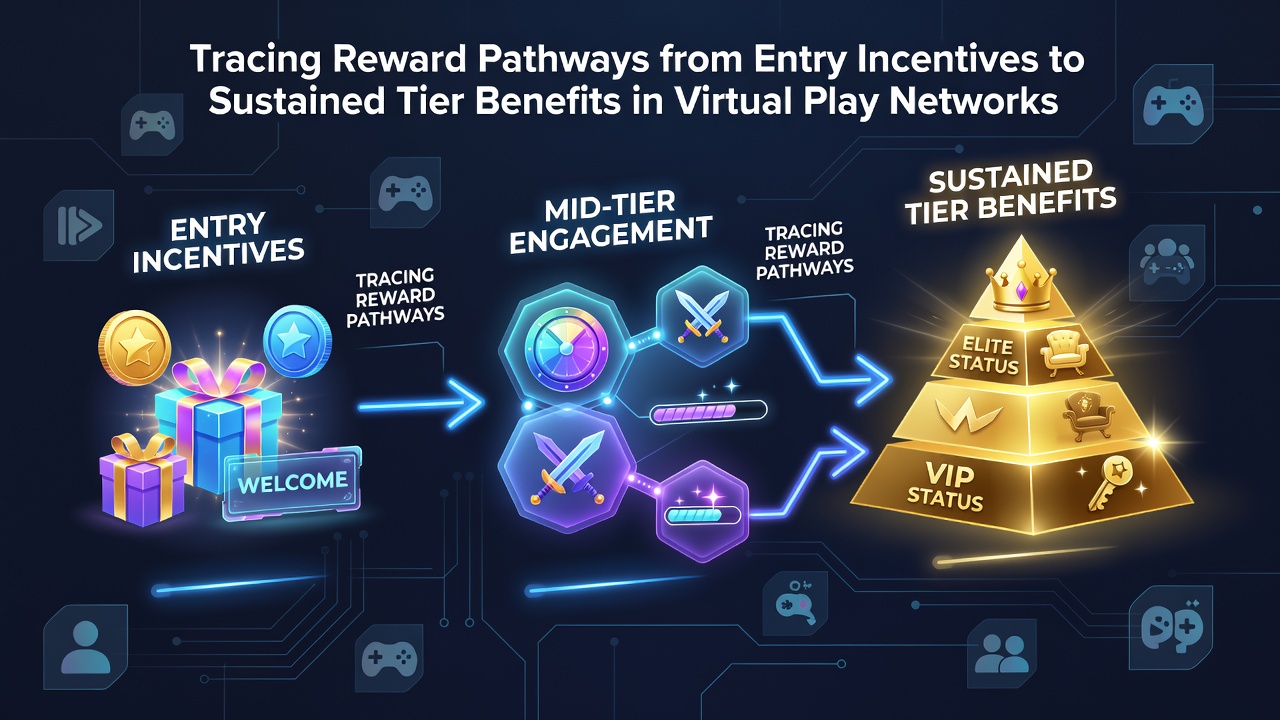
Virtual play networks operate through structured reward systems that begin with entry incentives and evolve into sustained tier benefits for participants who maintain activity over time. Entry incentives typically include deposit matches, free spins, and account credits that platforms deploy to attract new users, while sustained benefits manifest as escalating perks tied to loyalty tiers such as cashback rates, exclusive events, and personalized promotions. Data tracking mechanisms record player behavior from the first interaction, allowing systems to map progression from initial offers to ongoing rewards across multiple sessions.
Initial Entry Points in Digital Gaming Ecosystems
Platforms launch entry incentives through welcome packages that activate upon registration and first deposit, often structured as percentage-based matches capped at specific amounts. These offers connect directly to account verification processes where users provide identification details before funds release, creating a pathway that filters participants into monitored activity streams. Research from the Alcohol and Gaming Commission of Ontario indicates that such incentives generate measurable increases in account creation rates during promotional periods, with tracking systems logging deposit volumes adn game selections from the outset.
Once activated, entry incentives feed into behavioral algorithms that categorize users based on frequency, spend levels, and game preferences. This categorization sets the foundation for tier assignment, where players accumulate points through consistent engagement rather than isolated transactions. Observers note that platforms adjust incentive values dynamically, scaling rewards according to regional regulations and platform-specific policies that govern bonus wagering requirements.
Progression Mechanisms from Incentives to Tiers
Transition from entry incentives to tier benefits occurs through point accumulation systems that convert gameplay into loyalty status. Points accrue from bets placed, wins recorded, and time spent on designated titles, with multipliers applied during special events or for specific game categories. Systems calculate tier thresholds monthly or quarterly, moving participants upward when cumulative activity meets predefined benchmarks, which unlocks higher cashback percentages and faster withdrawal processing.
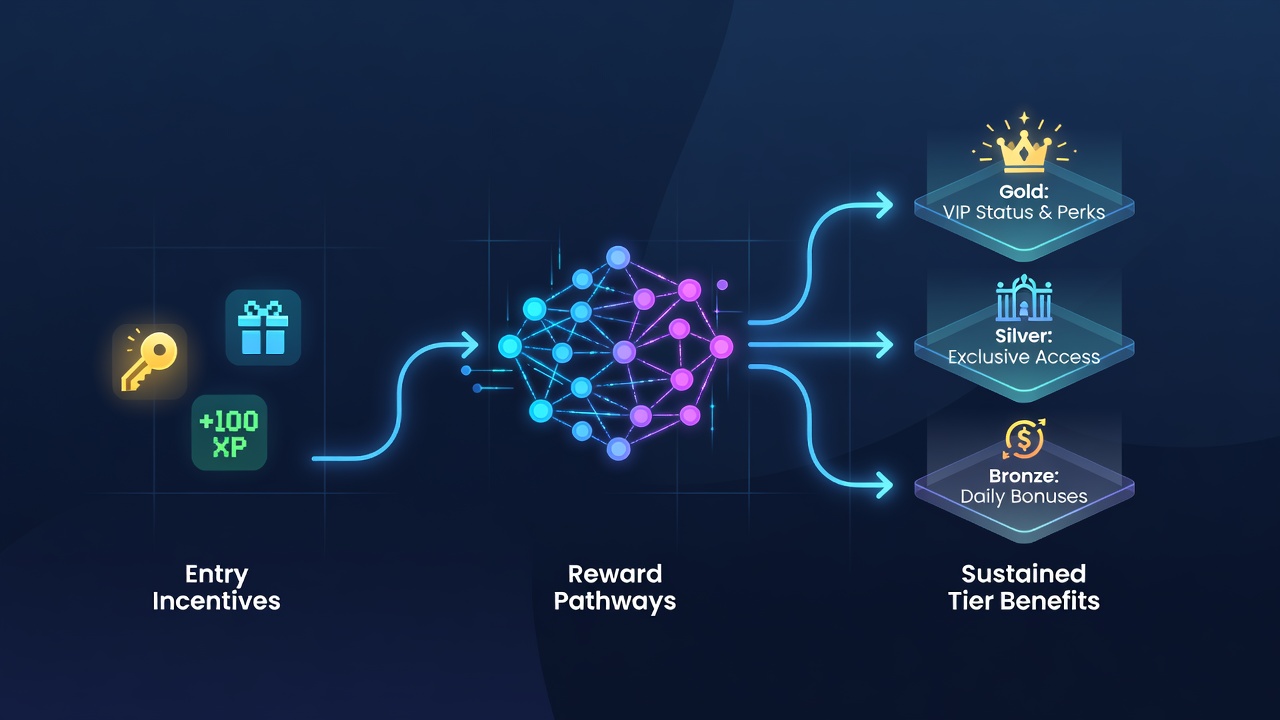
Platforms maintain tier structures with multiple levels, each offering distinct advantages that compound over sustained participation. Lower tiers provide basic reload bonuses and standard support access, while higher tiers deliver personalized account managers, invitations to virtual tournaments, and enhanced promotional calendars. Data shows that retention rates climb as players advance through these layers because the perceived value of benefits increases in proportion to status achieved.
Role of Data Analytics in Reward Mapping
Analytics engines process transaction histories and session data to trace how entry incentives influence long-term behavior patterns. These engines identify correlations between initial bonus usage and subsequent deposit frequency, allowing platforms to refine tier qualification criteria based on aggregated trends. In June 2026, updates to compliance frameworks in several jurisdictions prompted platforms to enhance transparency in how player data informs reward allocation, resulting in clearer disclosures about point expiration and tier maintenance requirements.
Cross-platform integrations further extend reward pathways when networks link multiple gaming sites under shared loyalty programs. Participants transfer activity metrics across venues, preserving tier status while accessing unified benefit pools that span different game libraries and promotional calendars. Industry reports from the Gaming Technologies Association highlight how such integrations reduce player churn by maintaining continuity in reward structures even as users explore varied digital environments.
Regional Variations in Tier Benefit Structures
Virtual play networks adapt tier benefits according to local regulatory environments, which dictate maximum bonus values, wagering conditions, and eligibility restrictions. European platforms often emphasize responsible gaming features within tier programs, incorporating spending limits that adjust automatically as players reach higher status levels. North American operators focus on compliance with state-specific rules, ensuring that sustained benefits align with licensing conditions that govern promotional content and player verification standards.
Asian markets demonstrate distinct approaches where tier benefits incorporate social elements such as community leaderboards and group challenges that distribute rewards across participant networks. These variations create diverse pathways where entry incentives serve as gateways to region-specific loyalty ecosystems that prioritize different engagement metrics, from volume of play to social interaction frequency.
Conclusion
Tracing reward pathways reveals how entry incentives function as starting points that feed into comprehensive tier systems designed to sustain participation across virtual play networks. The progression depends on integrated data systems that monitor activity, calculate status, and deliver escalating benefits while adhering to regulatory requirements in each operating region. As platforms continue refining these structures through 2026, the connections between initial offers and long-term tier advantages remain central to how digital gaming environments manage user retention and reward distribution.